
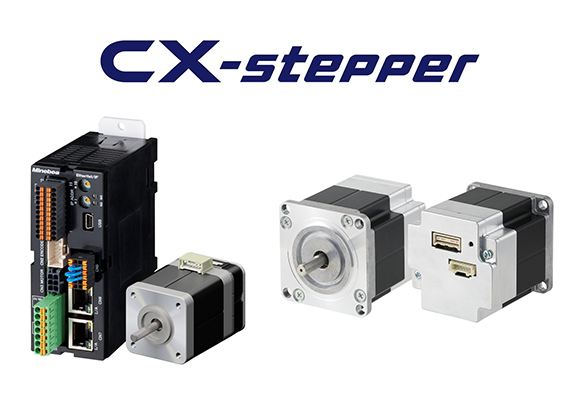
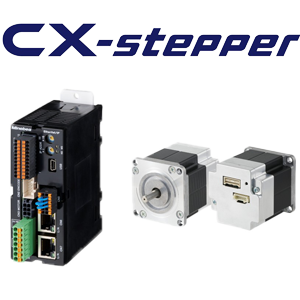
This lineup features hybrid stepper motor drivers and driver-integrated motors. Pairing them with encoder-equipped stepper motors enables closed-loop control. Our diverse range meets various design requirements, offering standalone drivers that maintain high torque even at high speeds, and driver-integrated types for space-saving installations.
Furthermore, by using vector control to supply the optimal current based on the load, the drive current is reduced to approximately one-sixth* compared to conventional open-loop control. This suppresses heat generation in the motor and prevents equipment shutdowns caused by rising temperatures. Even under continuous operating conditions, it maintains low temperatures and ensures stable motor drive.
CAD data, instruction manuals, and configuration software are available for download.
*Performance ratio under no-load conditions
Application
Semiconductor and electronic component manufacturing equipment
Industrial robots
Food weighing and packaging equipment
Printing and labeling equipment
Medical and clinical testing equipment
Scientific and analytical instruments
Surgical robots
Smart agriculture
Platform screen doors
Security gates
Automated guided vehicles (AGVs)
Food machinery
Download
Product List
-
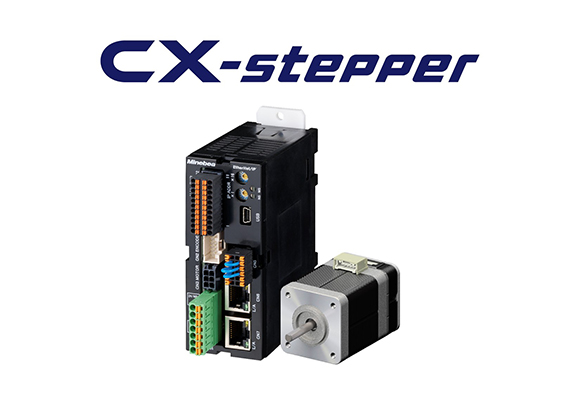
Standalone Driver: cX-stepper S Series
Stall-free via closed-loop control, high torque, high response, low vibration. Free app included.
-
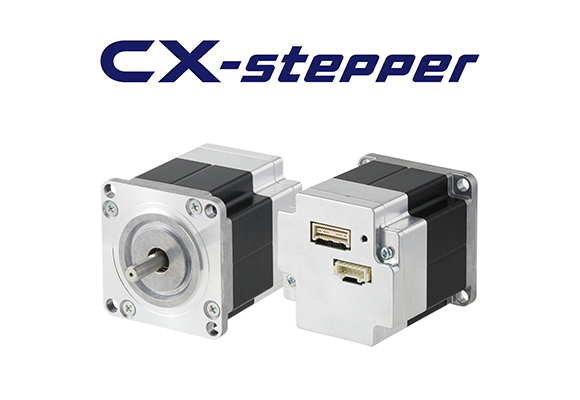
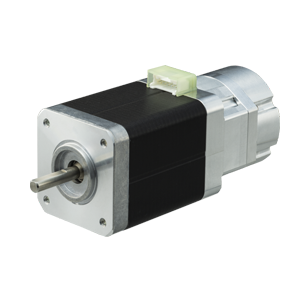
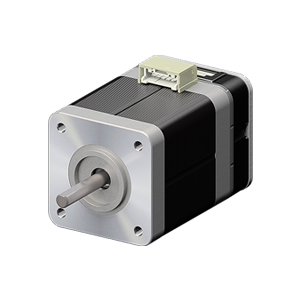
Driver-Integrated Motor: cX-stepper D Series
Driver-and encoder-integrated motor. Ideal for space-constrained equipment. Free configuration app included.
-
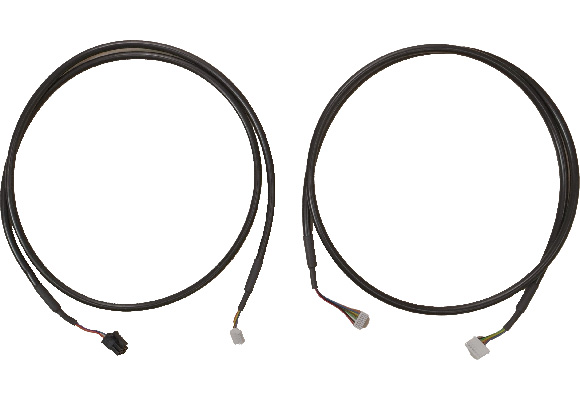
Optional Items
Wide range of components available, from motor-to-driver cables to maintenance connectors.
Featured Products
Engineering Information
Product Topics
Industry
FAQ
What is the origin of the name "cX-stepper" ?
The name "cX-stepper" originates from the acronym of our proprietary control technology enabling diverse motion control.
Specifically, it stands for "Complete motion control with 'X-tec' stepper drive technology."
What kind of support is available if I have trouble using the product?
Instruction manuals are available on our website, and we also offer support for operation and setup.
For details, please refer to the online instruction manuals or contact our support desk.
Can I purchase just one cX-stepper?
Yes, you can purchase as few as one unit of both the S and D Series.
Please contact us form via the form.
What optional accessories do you offer for motors and drivers?
For the S Series, we offer encoder cables and motor cables that connect the motor to the driver. For the D Series, we offer connector cables that connect to the motor.
Please click here for details on optional accessories for each series.
Are there other motors compatible with the cX-stepper driver besides those with absolute encoders?
We plan to gradually expand compatibility to include motors with electromagnetic brakes and gearheads.
Please contact us for detailed schedules and specifications.
What are the advantages and disadvantages of stepping motors?
What is a stall, and why does it occur?
What is the lifespan of a stepping motor?
Contact Us
Please click the inquiry type below according to your question. Each product / sales representative will respond to you.


