
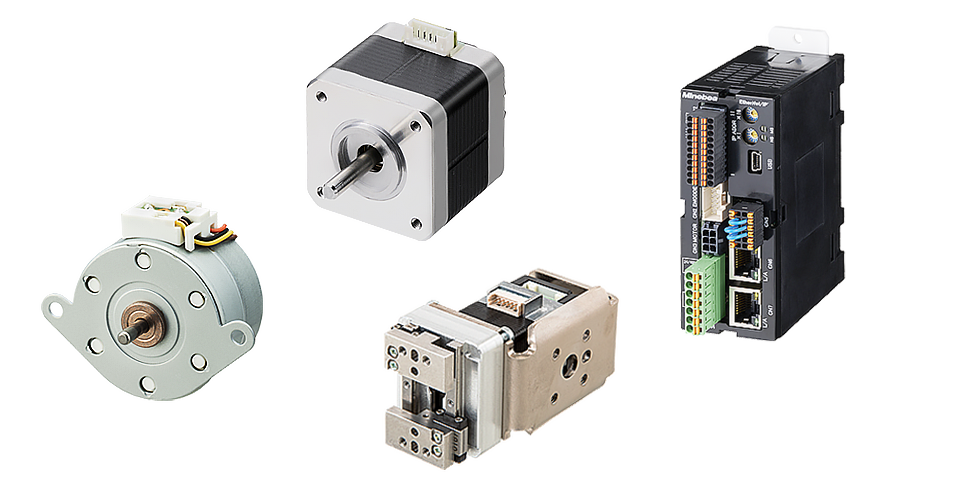
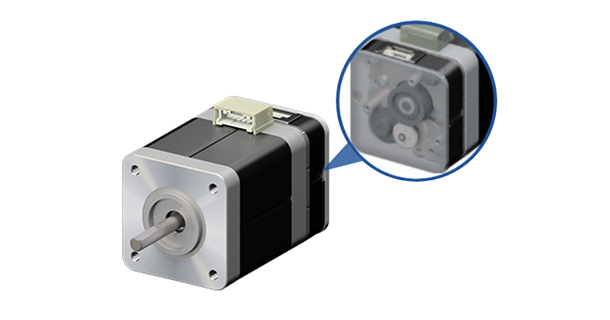
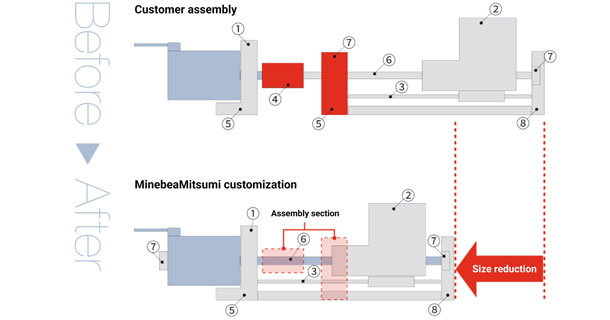
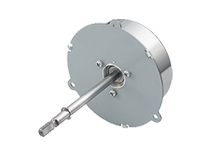
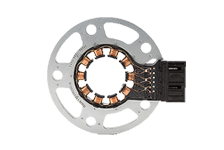
Stepping motors rotate at a fixed angle in response to pulse signals, enabling high-precision starting,stopping, and positioning through open-loop control. MinebeaMitsumi offers two types: hybrid stepping motors (permanent magnet + magnetic material) for enhanced positioning accuracy, and PM stepping motors (permanent magnet) for easy miniaturization. The hybrid lineup includes models with encoders, hollow shaft types, and external linear types. The PM lineup features small-diameter types (from φ3.4 mm) and high-speed types. We provide flexible customization to suit specific applications. For details, refer to the "Custom Guide.“
Additionally, our electric grippers equipped with hybrid stepping motors combine fingertip-like sensitivity with exact precision. We also launched standalone drivers for hybrid stepping motors and motors with integrated drivers.
Applications
Automotive
Robotics
Semiconductor Equipment
Textile & Pharma Machinery
Housing Valves
Security Cameras
Gaming Consoles
Smart Toilets
Rice Cookers
Cameras
Printers
Multifunction printers
Download
Product List
-
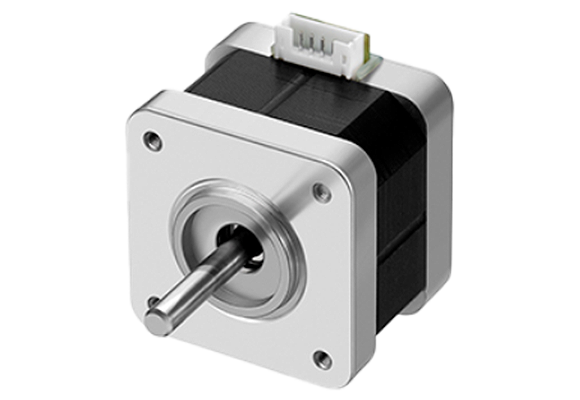
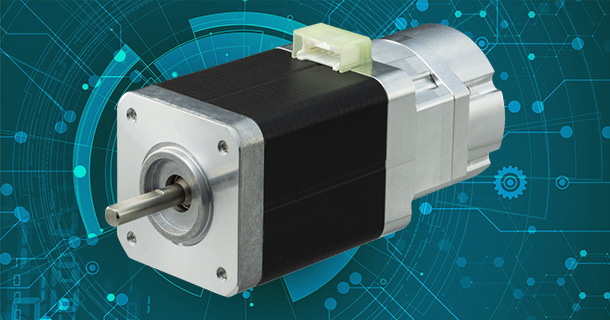
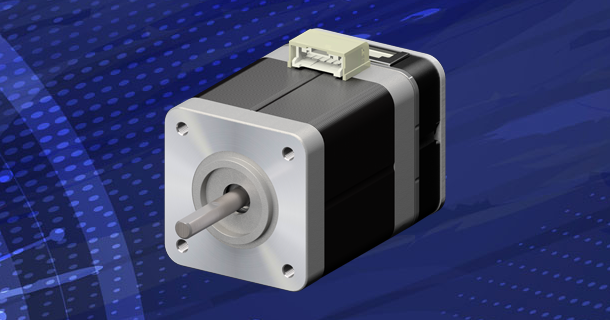
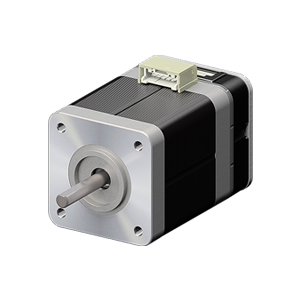
Hybrid stepping motors
Combines permanent magnets and magnetic materials. In-house ball bearings ensure reliability.
-
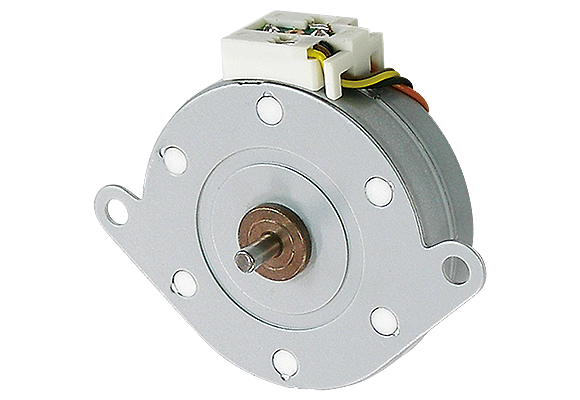
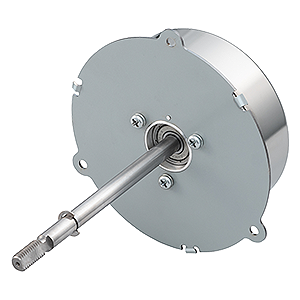
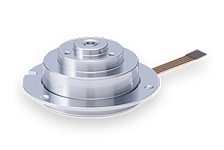
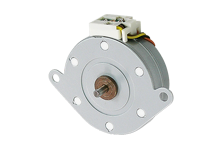
PM stepping motors
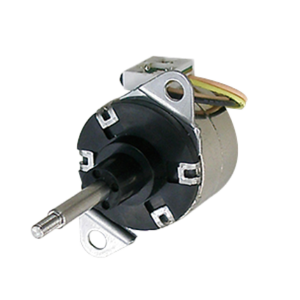
Stepping motor featuring a Permanent Magnet (PM) for the rotor.
-
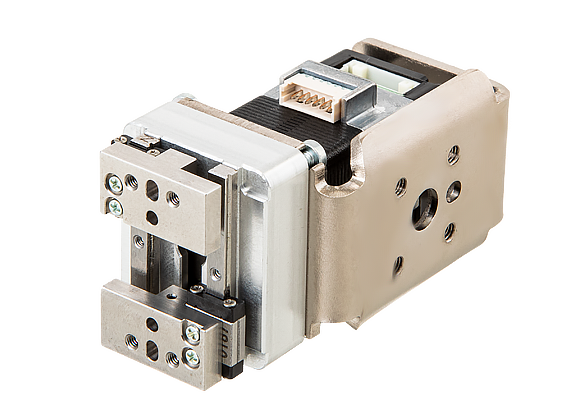
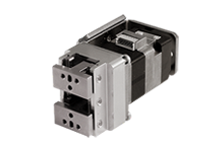
Gripper
Electric gripper with a hybrid stepping motor for fingertip-like sensitivity and accuracy.
-
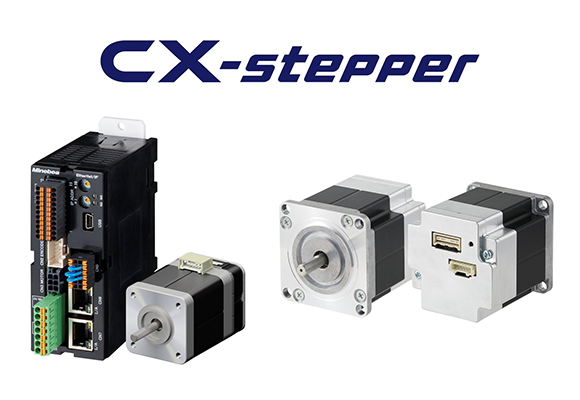
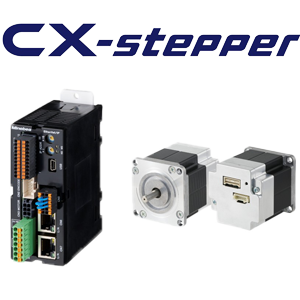
Hybrid stepping motor drivers and driver-integrated motors
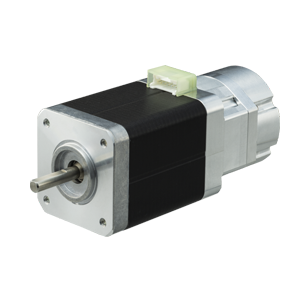
Stepper motor drivers and driver-integrated motors. Enable speed, position, and torque control.
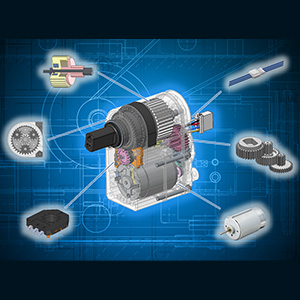
Custom
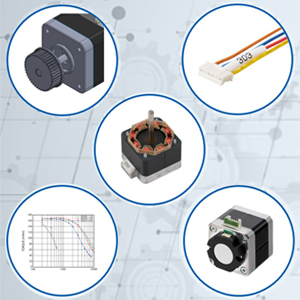
Featured Products
Engineering Information
Case Studies
Product Topics
Industry
FAQ
What are the advantages and disadvantages of stepping motors?
What is a stall, and why does it occur?
What is the lifespan of a stepping motor?
Contact Us
Please click the inquiry type below according to your question. Each product / sales representative will respond to you.


